
PLA Cups: The Ultimate Guide to Plant-Based, Compostable Drinkware
PLA Cups: The Ultimate Guide to Plant-Based, Compostable Drinkware
In the global movement to eliminate single-use plastics, PLA cups have emerged as a leading sustainable alternative for businesses and consumers alike. But what exactly are PLA cups, how do they perform, and are they truly the eco-friendly solution they claim to be? This comprehensive guide will explore the science, benefits, proper use, and disposal of PLA cups to help you make an informed decision.
What is PLA? The Science Behind the Material
PLA stands for Polylactic Acid. Unlike traditional petroleum-based plastics, PLA is a bioplastic derived from renewable resources like corn starch, sugarcane, or cassava. Through a process of fermentation and polymerization, the natural sugars in these plants are transformed into a versatile polymer that can be molded into clear, durable cups, much like conventional plastic.
Top SEO-Optimized Benefits of PLA Cups
For businesses targeting eco-conscious customers, highlighting these advantages is crucial:
Made from Renewable Resources: PLA cups are plant-based, reducing dependence on finite fossil fuels. Their production typically generates lower carbon emissions compared to traditional plastic (PET or PS).
Commercially Compostable: This is their key environmental benefit. Certified PLA cups (look for BPI, OK Compost INDUSTRIAL, or ASTM D6400) will break down into water, carbon dioxide, and organic biomass within 90-180 days in an industrial composting facility under specific high-temperature and humidity conditions.
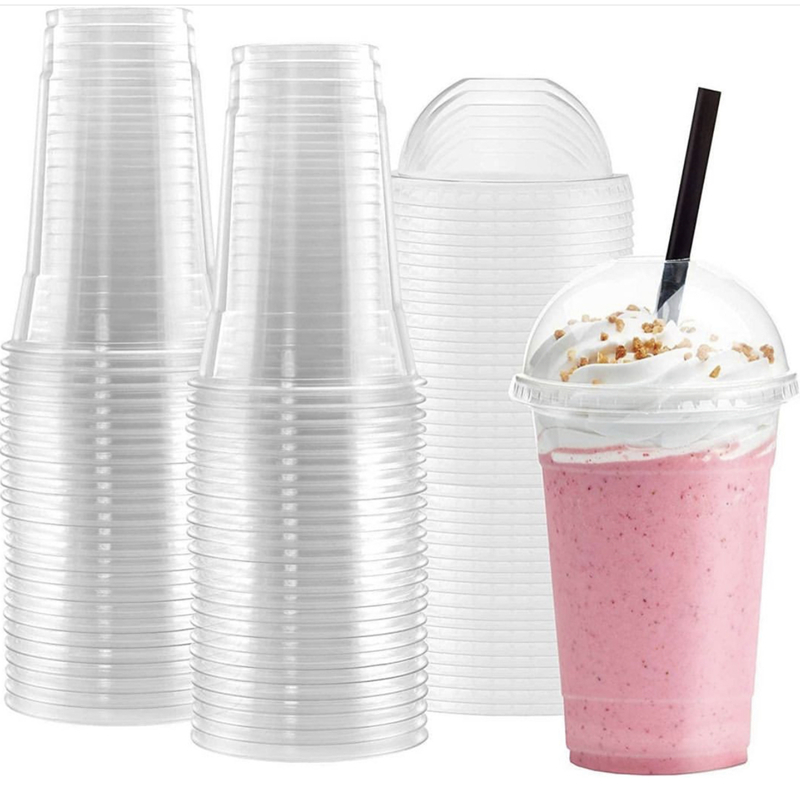
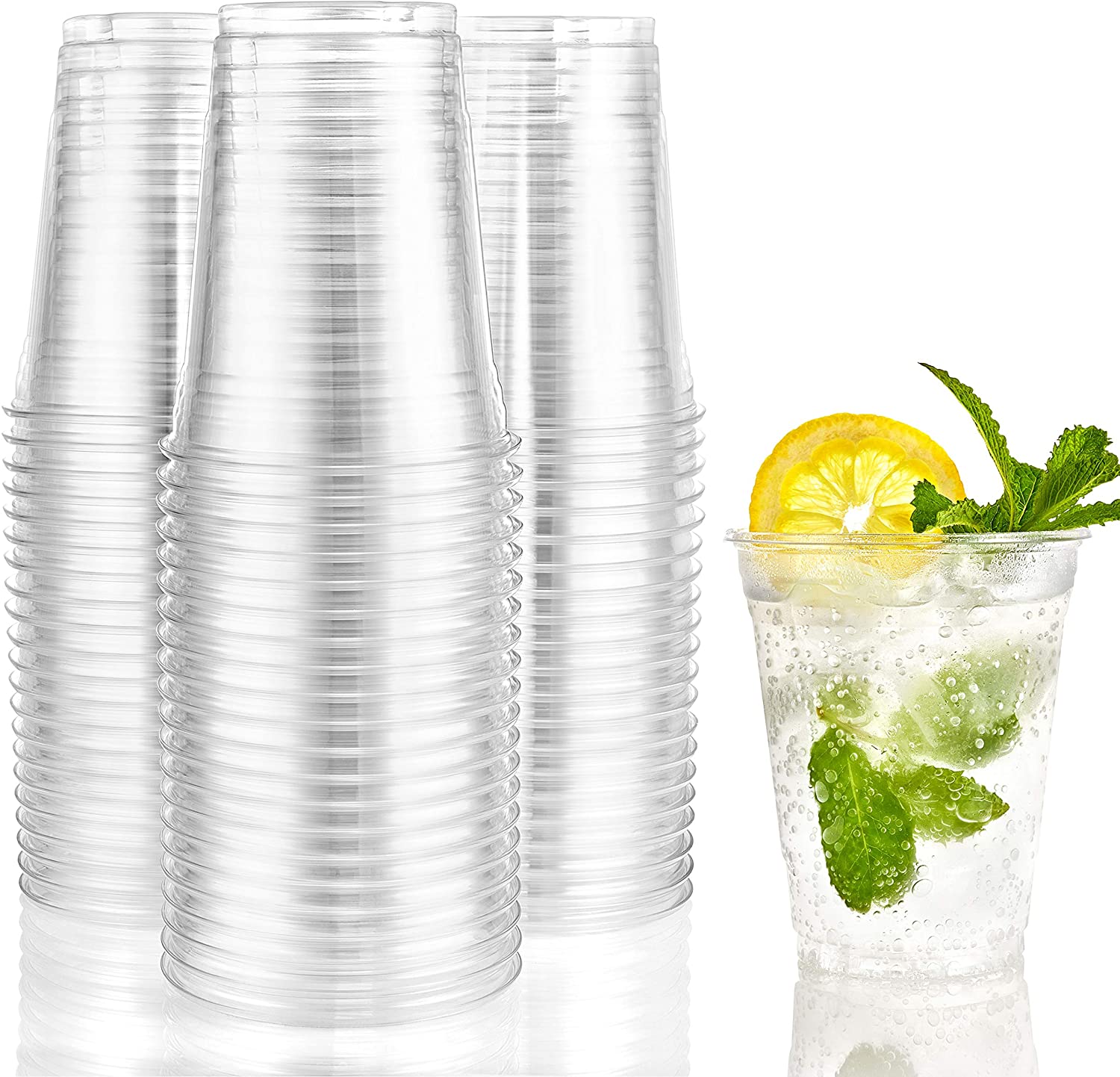
Clarity & Aesthetics: PLA cups can achieve a crystal-clear, glossy finish that rivals conventional plastic, making beverages look appealing—a vital factor for coffee shops, juice bars, and event services.
Functional Performance: They are a robust choice for cold beverages. High-quality PLA cups offer:
Excellent Clarity and Gloss
Good Rigidity (similar to PET plastic)
Watertight and Leak-Resistant for cold drinks
Critical Considerations and Proper Disposal
The environmental promise of PLA is fully realized only with correct disposal. This is the most important message for your audience.
Industrial Composting is Required: PLA cups will not effectively break down in home compost, landfills, or the natural environment. They require the high heat (55-70°C) and microbial activity of a commercial/industrial composting facility.
Not for Recycling: PLA is a contaminant in the traditional plastic (PET #1) recycling stream. Never place PLA cups in curbside recycling.
Temperature Limitations: Standard PLA has a lower heat tolerance. It is ideal for cold drinks but can soften or warp with hot beverages (above 110°F/43°C). For hot drinks, seek PLA-lined paper cups or CPLA (Crystallized PLA) options, which have a higher heat resistance.
PLA Cups vs. Other Sustainable Alternatives
vs. Traditional Plastic (PET) Cups: PLA is bio-sourced and compostable; PET is petroleum-based and persists for centuries. However, PET is widely recyclable (though rates are low) and has higher heat tolerance.
vs. Paper Cups: Most paper cups are lined with polyethylene (PE) plastic to prevent leaks, making them non-compostable and difficult to recycle. PLA-lined paper cups combine a paper exterior with a PLA liner, offering a home-compostable option in some certifications.
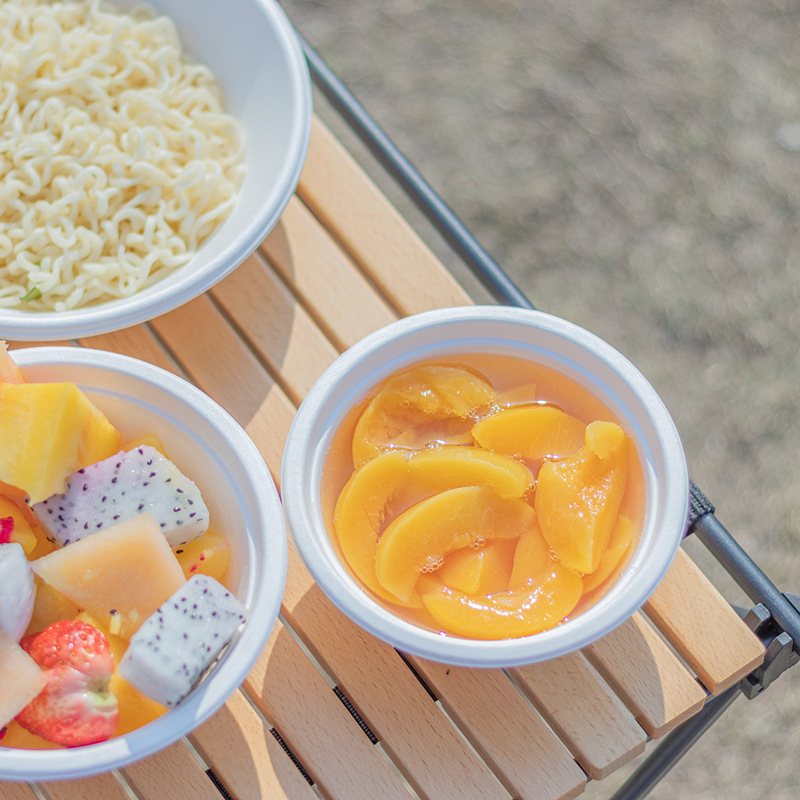
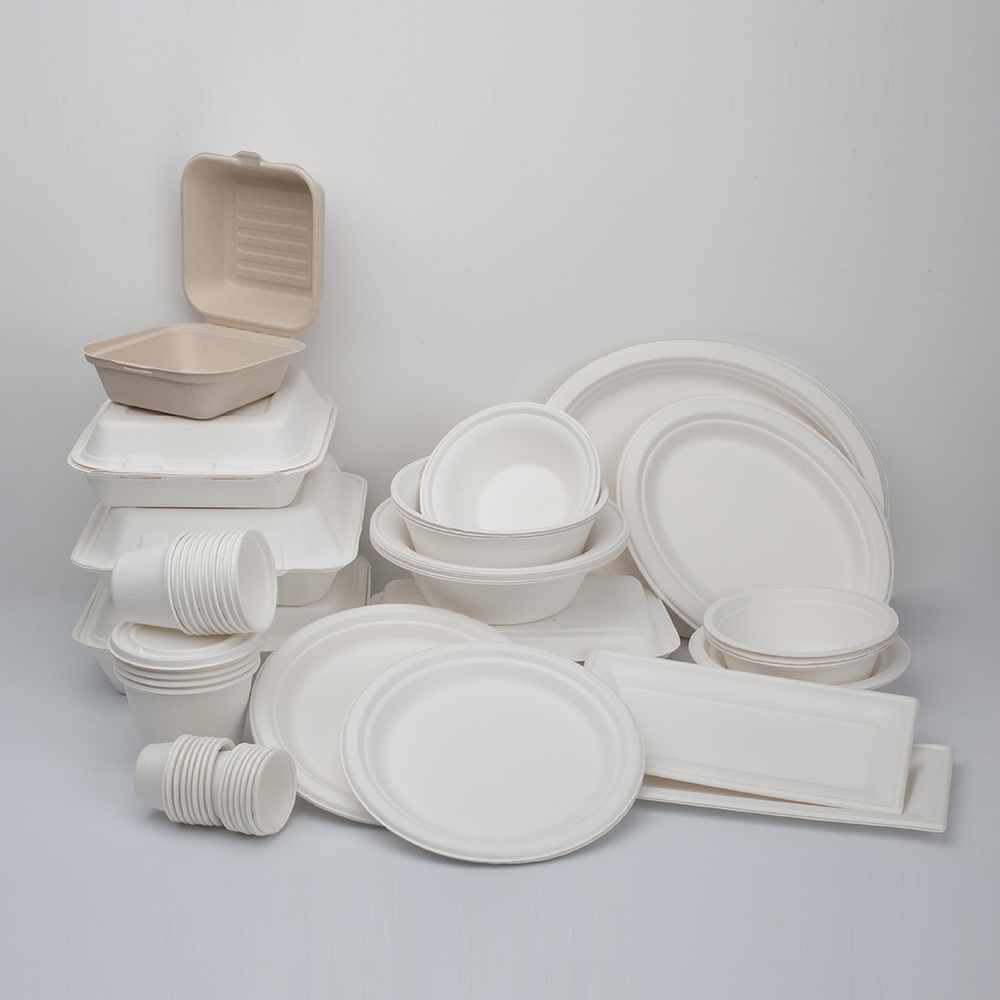
vs. Sugarcane (Bagasse) Cups: Bagasse is fiber-based, opaque, and microwave-safe. PLA is clear and better for cold drink presentation. Both are commercially compostable.
Ideal Applications for PLA Cups
Target these specific use-case keywords:
Cold Beverage Service: Iced coffee, smoothies, bubble tea, juice bars, soda, and iced tea.
Events & Catering: Sustainable weddings, conferences, festivals, and parties where clear cups are preferred.
Food Retail & Takeaway: For delis, salad bars, and dessert parlors offering cold sides or treats.
Corporate & Office Settings: Aligning with corporate sustainability goals in office pantries.
FAQs About PLA Cups
Q: Can I put PLA cups in my home compost bin?
A: Generally, no. Most home compost piles do not reach the sustained high temperatures required. Look for cups certified for home composting (e.g., OK Compost HOME, AS5810) – these are often PLA-lined paper, not solid PLA.
Q: Are PLA cups "biodegradable"?
A: The term is misleading. PLA is compostable under specific industrial conditions. In the ocean or a landfill, it behaves much like slow-degrading plastic. Always use the term "industrially compostable" for accuracy.
Q: Where can I dispose of PLA cups?
A: Check for local commercial composting facilities that accept food service packaging. If this infrastructure is not available in your area, PLA cups may need to go in the general waste bin, which negates their eco-benefit.
Q: Are they more expensive than plastic cups?
A: Typically, yes. PLA cups often carry a premium due to the cost of bio-based raw materials and production. However, prices are becoming more competitive as demand grows.
Conclusion: Making PLA Work for Your Business
PLA cups represent a significant step toward a circular economy, but their success hinges on consumer education and proper waste infrastructure. They are an excellent choice for businesses that:
Have access to commercial composting streams.
Primarily serve cold beverages.
Want to showcase a modern, transparent, and sustainable brand image.
Ready to make the switch? Choose a supplier that provides clear certification labels and educate your customers on proper disposal to ensure your sustainability efforts are fully realized.
 PLA Cups: The Ultimate Guide t
 Discover the benefits of eco-f
 How Sugarcane Bagasse Tablewar