
Discover the benefits of eco-friendly Sugarcane Bowls! Made from plant fiber, they are compostable, leak-proof, microwave-safe & perfect for food service. Ditch plastic for a sustainable alternative.
Sugarcane Bowls: The Ultimate Guide to Eco-Friendly, Sturdy Disposable Tableware
Are you searching for a truly sustainable, high-performance alternative to plastic, paper, or styrofoam bowls for your business or event? Look no further than Sugarcane Bowls. Made from repurposed agricultural waste, these bowls are revolutionizing the food service industry by combining environmental responsibility with undeniable practicality. This comprehensive guide will explore why sugarcane bowls (often called bagasse bowls) are the superior choice for eco-conscious businesses and consumers.
What Are Sugarcane Bowls Made Of?
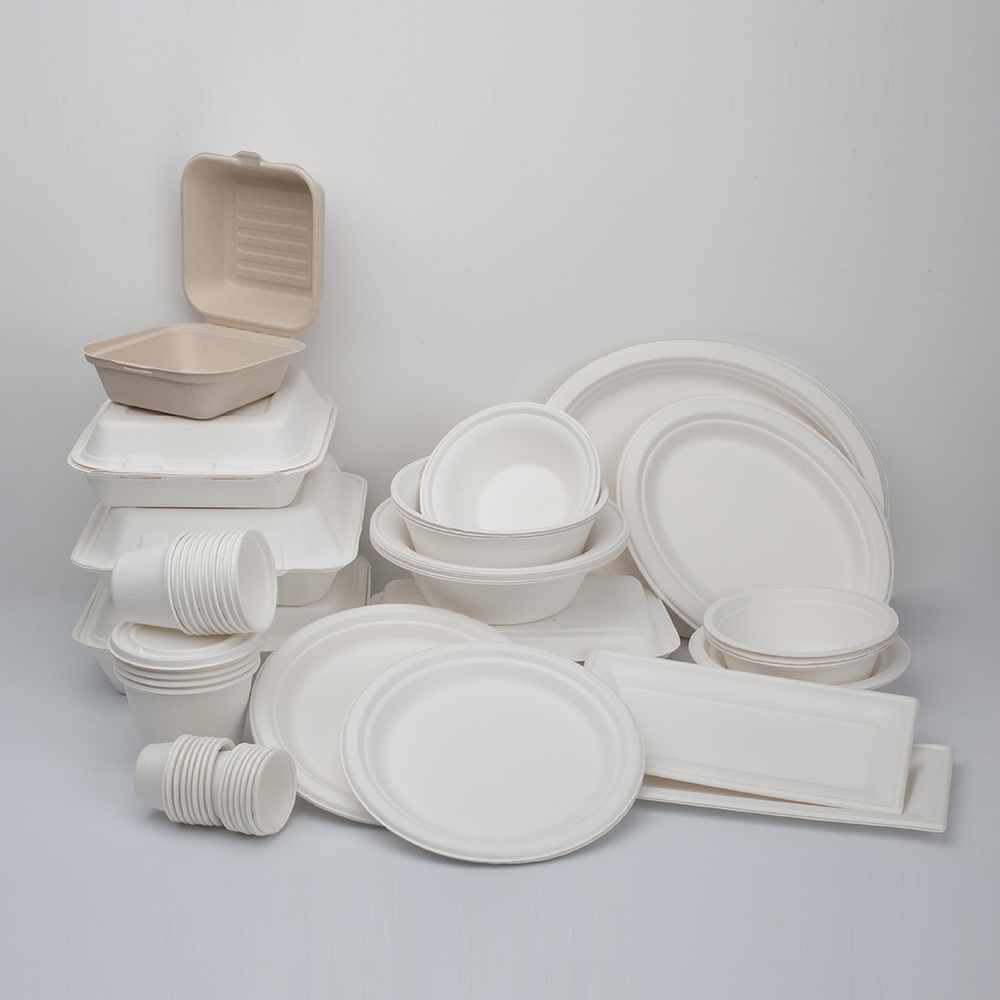
Sugarcane bowls are crafted from bagasse – the fibrous pulp leftover after extracting juice from sugarcane stalks. Instead of burning or discarding this byproduct, it is cleaned, pulped, and molded under heat and pressure into durable food containers. This process gives a second life to waste material, creating a perfect example of a circular economy and reducing reliance on virgin resources like trees or fossil fuels.
Top 5 SEO-Optimized Benefits of Choosing Sugarcane Bowls
Targeting customers who search for sustainable solutions? Here are the key benefits to highlight:
100% Biodegradable & Compostable: Unlike plastics that linger for centuries, certified sugarcane bowls break down completely in a commercial composting facility within 90 days, turning into nutrient-rich soil. They meet strict international standards (like ASTM D6400 and EN 13432), ensuring they leave no toxic residue.
Remarkably Sturdy & Leak-Resistant: A major pain point with eco-alternatives is performance. Sugarcane bowls excel because bagasse fibers create a naturally strong, rigid structure. They are:
Perfect for wet, oily, or hot foods: Holds soups, salads with dressing, curries, and saucy dishes without becoming soggy or leaking.
Microwave and freezer safe: Ideal for both heating up meals and storing food.
Excellent insulation: Keeps hands comfortable when holding hot dishes.
Made from Renewable, Upcycled Material: Sugarcane is a fast-growing, annually harvested crop. By using its waste, we minimize the environmental footprint, conserve forests (compared to paper products), and reduce greenhouse gas emissions associated with plastic production.
Aesthetically Pleasing & Professional: With their natural, off-white color and smooth finish, sugarcane bowls present food beautifully. They convey a premium, earthy, and conscientious brand image that resonates with today's consumers.
Aligned with Bans and Consumer Trends: With global bans on single-use plastics expanding, sugarcane bowls offer a compliant, future-proof solution. Using them demonstrates your brand's commitment to sustainability, attracting a growing market of environmentally aware customers.
Sugarcane Bowls vs. Other Disposable Bowls
vs. Plastic Bowls: Plastic is derived from fossil fuels, rarely recycled effectively, and creates microplastic pollution. Sugarcane bowls are carbon-neutral in decomposition and compostable.
vs. Paper Bowls: Many paper bowls are lined with plastic (PFAS) to prevent leakage, making them non-compostable. Pure paper bowls can get soggy. Sugarcane bowls are naturally sturdy and use no chemical liners.
vs. Styrofoam Bowls: Styrofoam is non-biodegradable, a common pollutant, and can leach chemicals. Sugarcane bowls are a non-toxic, planet-friendly alternative.
Ideal Applications for Sugarcane Bowls (Target These Keywords!)
Optimize your content for these specific use-case searches:
Food Service & Restaurants: Perfect for takeaway, delivery, dine-in side dishes, and catering.
Event Planning & Wedding Catering: Ideal for sustainable weddings, parties, festivals, and corporate events where disposables are necessary but style and ethics matter.
Home & Personal Use: Great for eco-conscious families, picnics, and compost-conscious households.
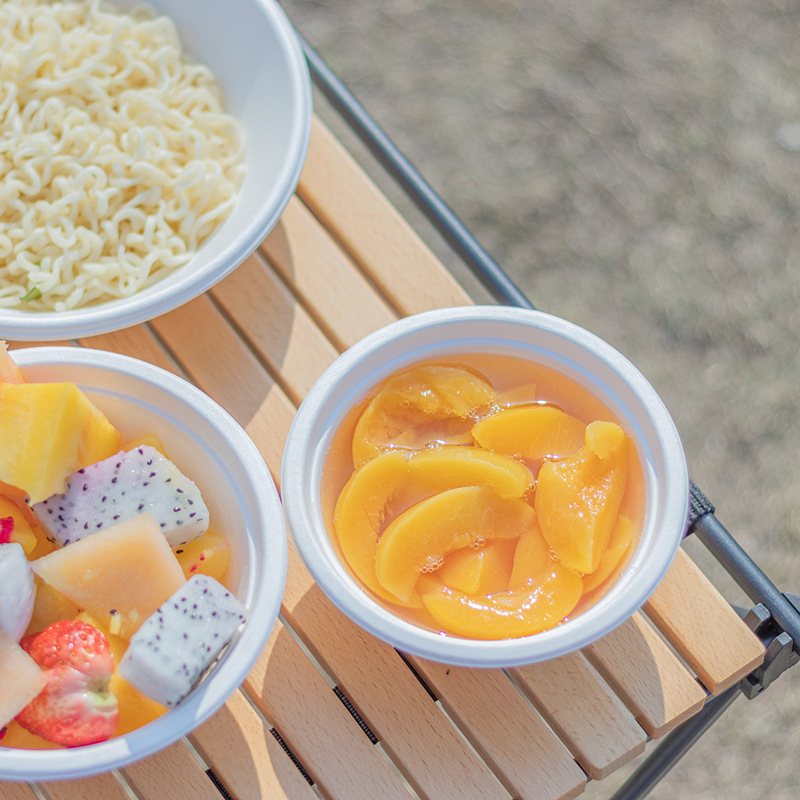
Specific Food Types: Excellent for hot soups, oatmeal, rice bowls, salads, noodles, ice cream (freezer-safe), and snacks.
FAQs About Sugarcane Bowls
Q: Can I put sugarcane bowls in my home compost?
A: They are best suited for commercial composting facilities which maintain higher, consistent temperatures. Some thicker products may take longer in cooler home compost bins.
Q: Are they more expensive than plastic bowls?
A: While sometimes priced slightly higher than basic plastic, they are competitively priced against other premium disposables like lined paper or PLA. The brand value and customer appeal they bring often outweigh the minimal cost difference.
Q: How should I dispose of a sugarcane bowl?
A: In a commercial compost bin. If unavailable, dispose of it in general waste (where it will still biodegrade much faster than plastic). Do not recycle, as they can contaminate the paper recycling stream.
Q: Are they safe for hot and oily foods?
A: Absolutely. Their natural fibrous composition makes them resistant to grease and heat, making them one of the best-performing eco-friendly options available.
Conclusion: Make the Sustainable Switch Today
Sugarcane bowls are more than just containers; they are a statement of your brand's values. They offer a powerful combination of environmental integrity, functional superiority, and visual appeal.
Ready to enhance your brand’s sustainability profile and impress your customers? Explore our range of high-quality, certified compostable sugarcane bowls in various sizes and shapes. Contact us today for samples and wholesale pricing, and join the movement towards a greener future, one bowl at a time.
 PLA Cups: The Ultimate Guide t
 Discover the benefits of eco-f
 How Sugarcane Bagasse Tablewar